LIFE IN MOTION
Ljubiša Šljivić
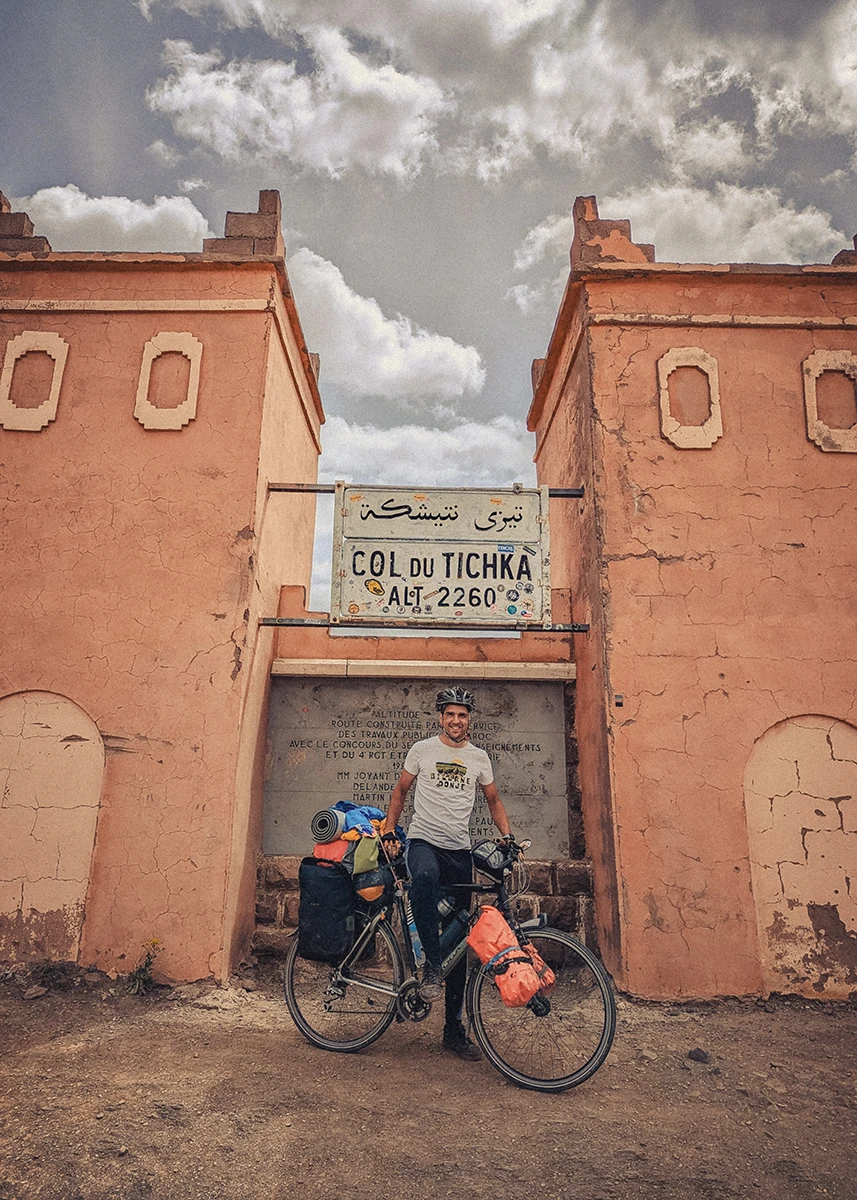
Trying to introduce Ljubiša as a cyclist, we quickly realized—he’s something more. He’s an adventurer, living life in motion. Sure, we could say he has biked over 16,000 kilometers across 16 countries on two continents, and hiked over 2,000 kilometers through five countries, conquered the mountain tops of Europe with over 1000 kilometers under his feet—but those are just numbers.
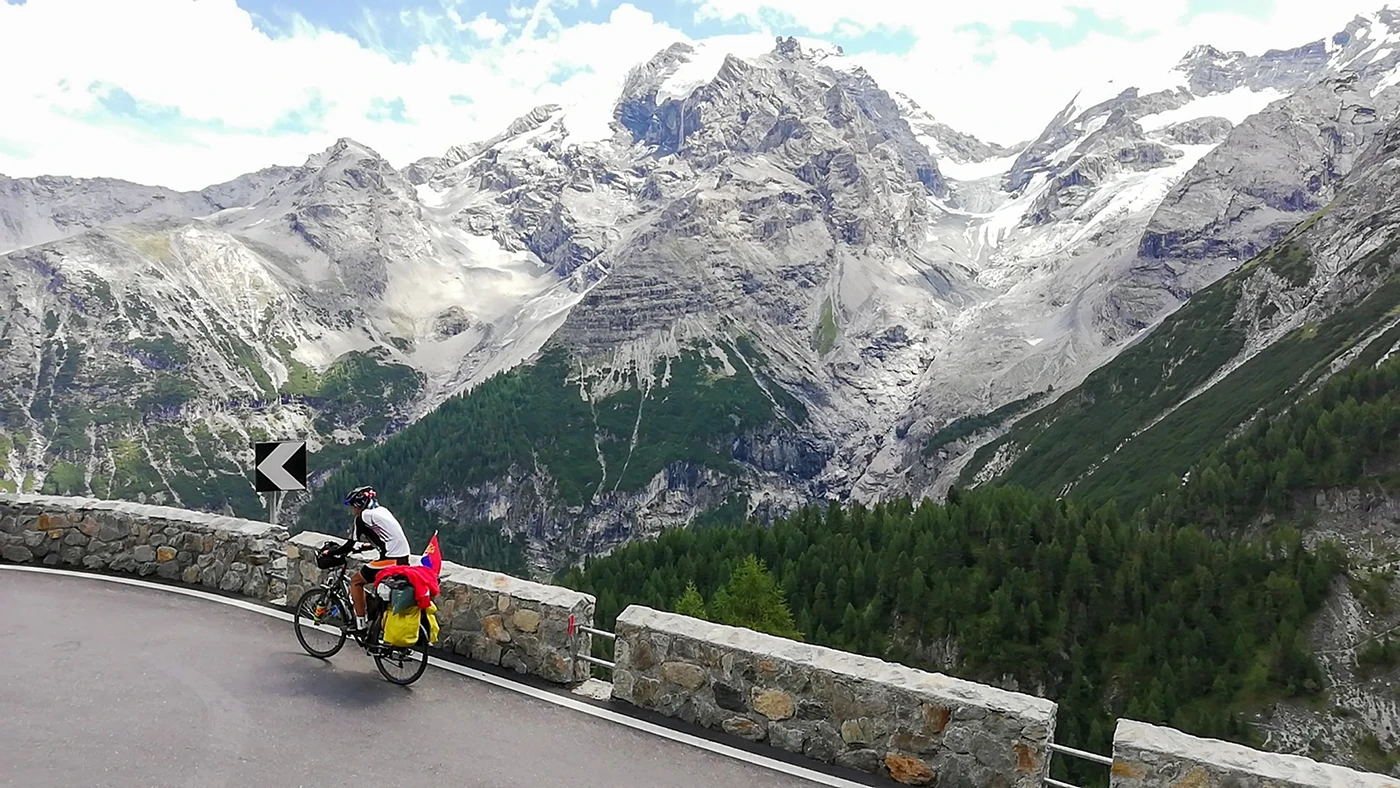
No plans, just pure instinct—Ljubiša follows his heart, and that path is never wrong, whether he’s on two wheels or on foot. Take this —he cycled from Serbia all the way to Nordkapp, the northernmost point of mainland Europe. He also biked to Portugal, to Spain, and across the Alps.
But his adventures were never just about himself. Almost every one of his “expeditions” was dedicated to raising funds for a child in Serbia in need of medical treatment. By sharing his stories and experiences, he brought together a massive community of kind-hearted people, turning his solo rides into something much bigger.
Minimal budget? Minimal problem.
No prior experience in adventure travel? So what.
The important is there – the wish.

How did you get into the world of adventure?
I played soccer for years, but like many soccer stories—it just didn’t work out. After a decade of training, I walked away from it. That’s when I started running more and getting serious about cycling.
My adventure story started in 2016. I didn’t have enough money to join my classmates on a graduation trip to Barcelona, Spain. But Barcelona had always been at the top of my bucket list, so I made myself a promise: I’ll get there, one way or another.
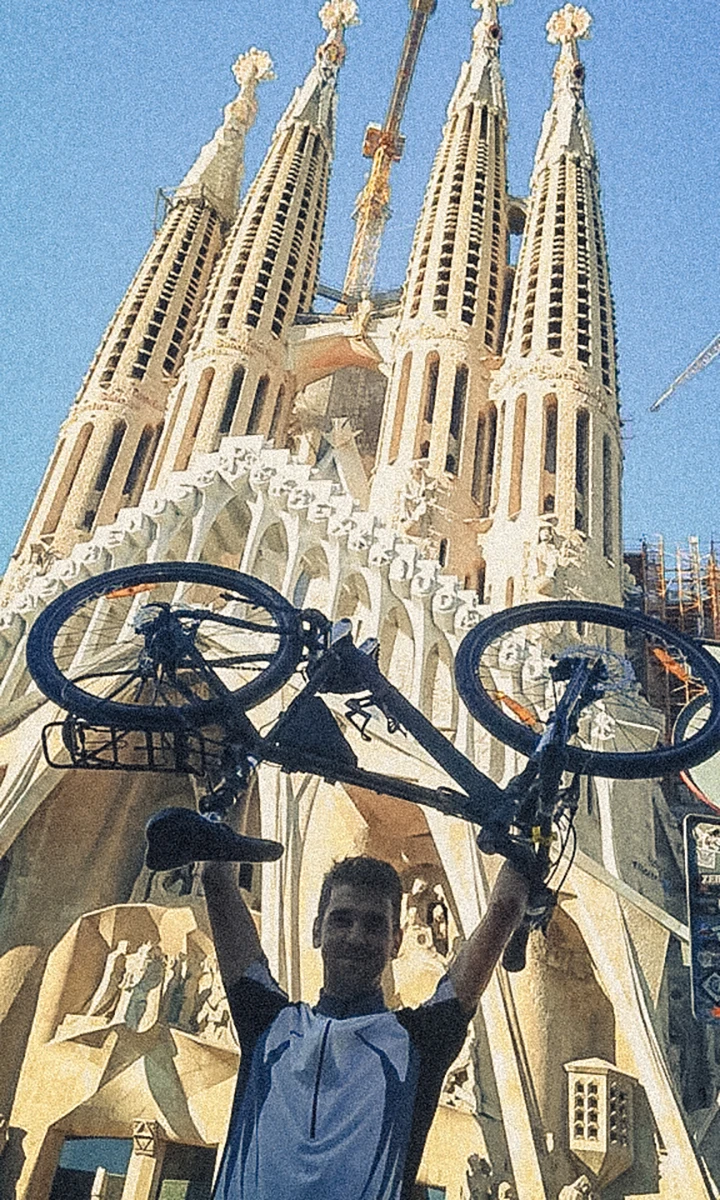
The next year, at 23 years old, I got on my bike —with zero experience in long-distance cycling—and set off on a 3,000-kilometer adventure from Serbia to Spain, all the way to Barcelona.
Before that? The farthest I’d ever biked outside my hometown was 100 kilometers—just a round trip to the nearby city and back.
why a bike in particular?
Back in 1995, when I was just under two years old, my family fled Croatia as refugees and settled in Serbia. We spent years living in a refugee center, and there was this old bike—no wheels, just sitting on two big bricks.
As a kid, I’d sit on that bike for hours, just imagining myself riding through faraway lands. One time, I imagined I was on the run from the cops—which, funny enough, actually happened years later when the Italian police chased me down for biking on the highway.
I learned to ride a bike pretty late—at 12 years old—but that’s when the love for it started. Later on, my wallet and my wanderlust were constantly at war. Since wanderlust won, biking became my way to travel.
What made you start hiking long distances? Got tired of the bike?
The bike was exhausted, so I had to let it rest. I also wanted to see how my body would handle a whole new kind of suffering—I mean, challenge. And honestly? I needed a new, fresh adventure.
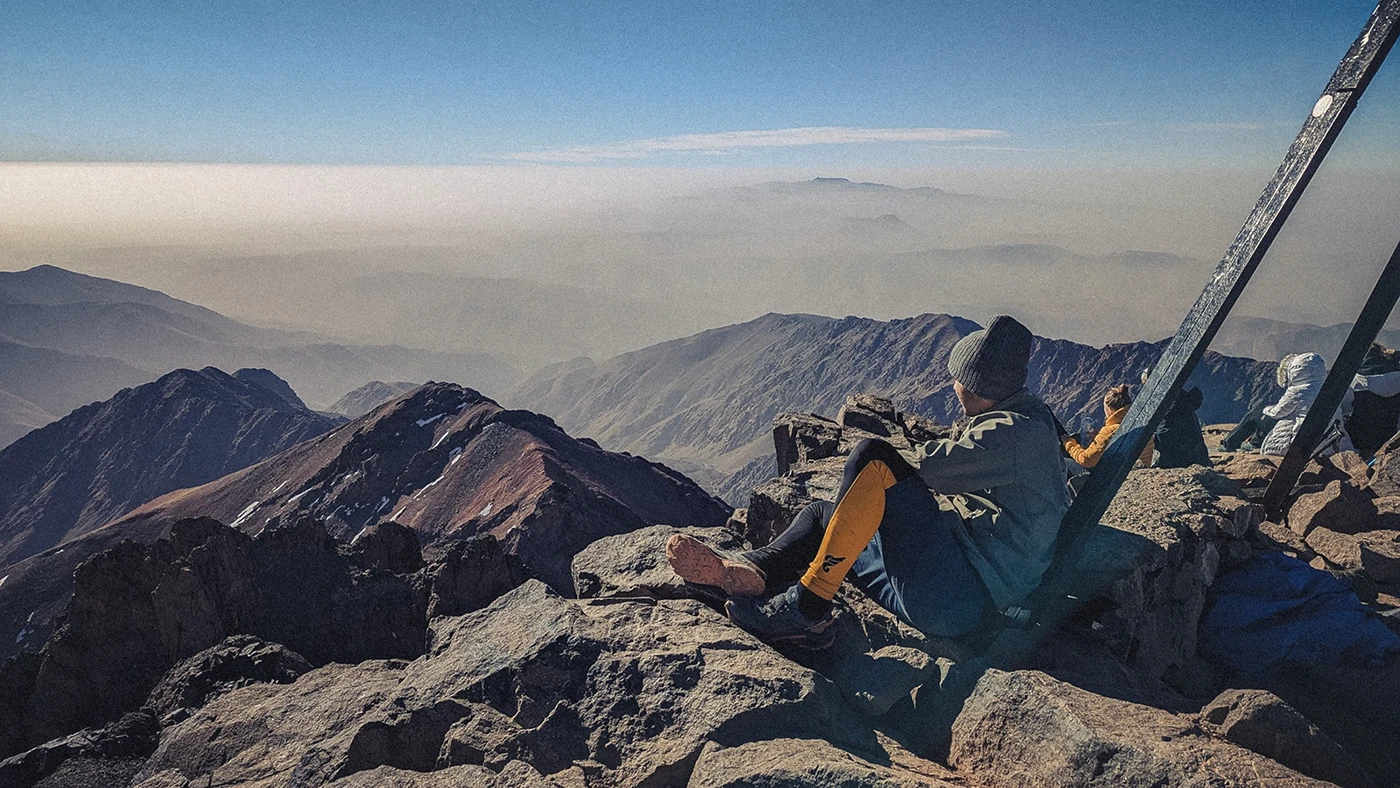
Hiking is a totally different universe. It’s nothing like cycling—different pace, different mindset, different kind of pain. But hey, that’s what makes it fun, right?
How long do these crazy adventures take to plan? Got any advice?
Advice? Have a plan.
Honestly, the thing that annoys me most about my adventures is the total lack of a plan. No matter how hard I try to plan, it just doesn’t work. For example, when my friend and I split up on the second day of our adventure to Barcelona, I ended up without a tent. I had a small camping gas canister, but the adapter for it stayed with him. I kept pushing forward on my adventure without internet, without maps, just relying on my memory to remember which cities I needed to hit on the way to Barcelona.
When I biked from Serbia to Portugal in 2018, the original plan was to head to Russia—so yeah, I ended up going in the totally opposite direction.
The final decision to go to Nordkapp was made just 10 days before I left, but since this trip to the northernmost point of mainland Europe was like a dream come true, so I like to say I believe in dreams more than plans. Plans always seem to get messed up somehow.
What gets you “pumped”?
Uncertainty. It brings me that rush of adrenaline that keeps me fueled and pushes me forward. The beauty of adventures is that nothing can be fully planned. You don’t know where or when you’ll eat, what you’re gonna see, who you’ll meet, or where your spot to crash for the night is gonna be, as I like to call it ‘a 1000-star hotel’. It’s all a big mystery—and that’s what makes it all so exciting.
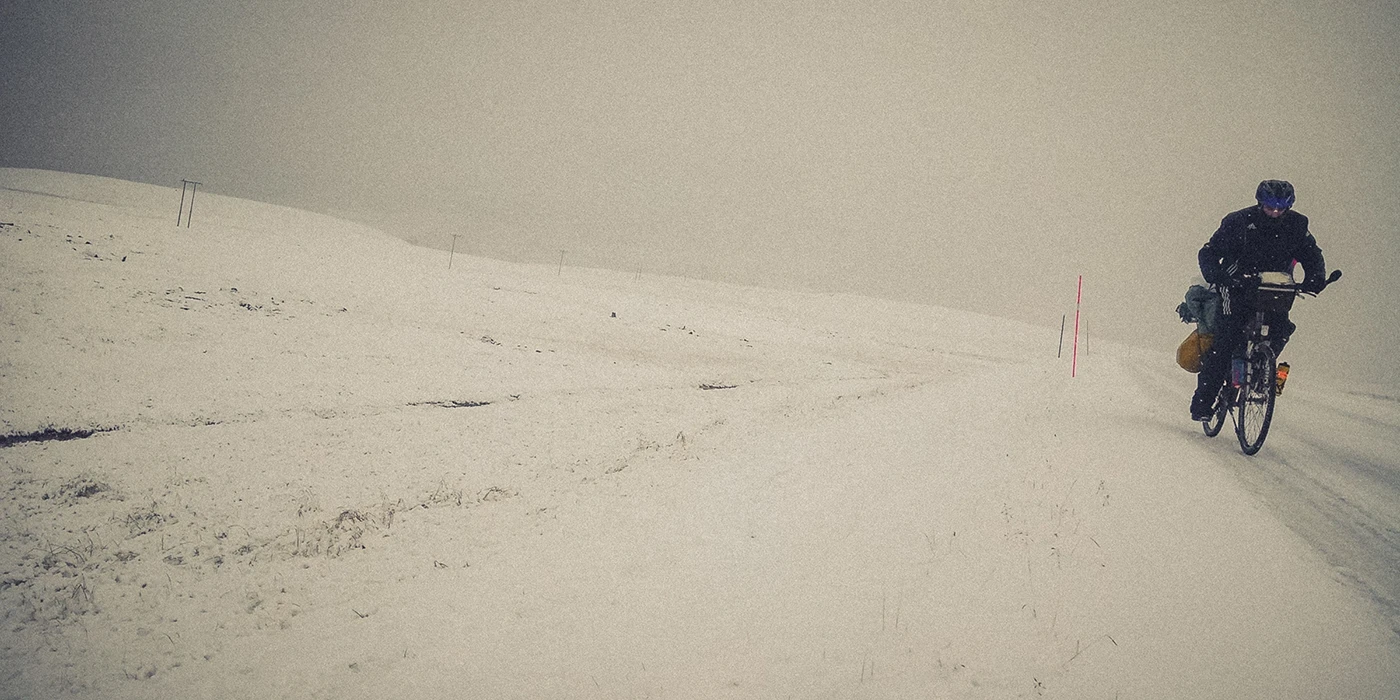
“It’s all a big mystery—and that’s what makes it all so exciting.”
Speaking of ‘a 1000-star hotel’ – how do you decide where to camp?
Most of the time, I go with my instinct, but sometimes even that can go wrong. I’ve camped in forests full of bears, listening to them roar all night, but I thought they were just reindeer. A few times, I left food outside my tent, and when I woke up, it was gone—something had eaten it.

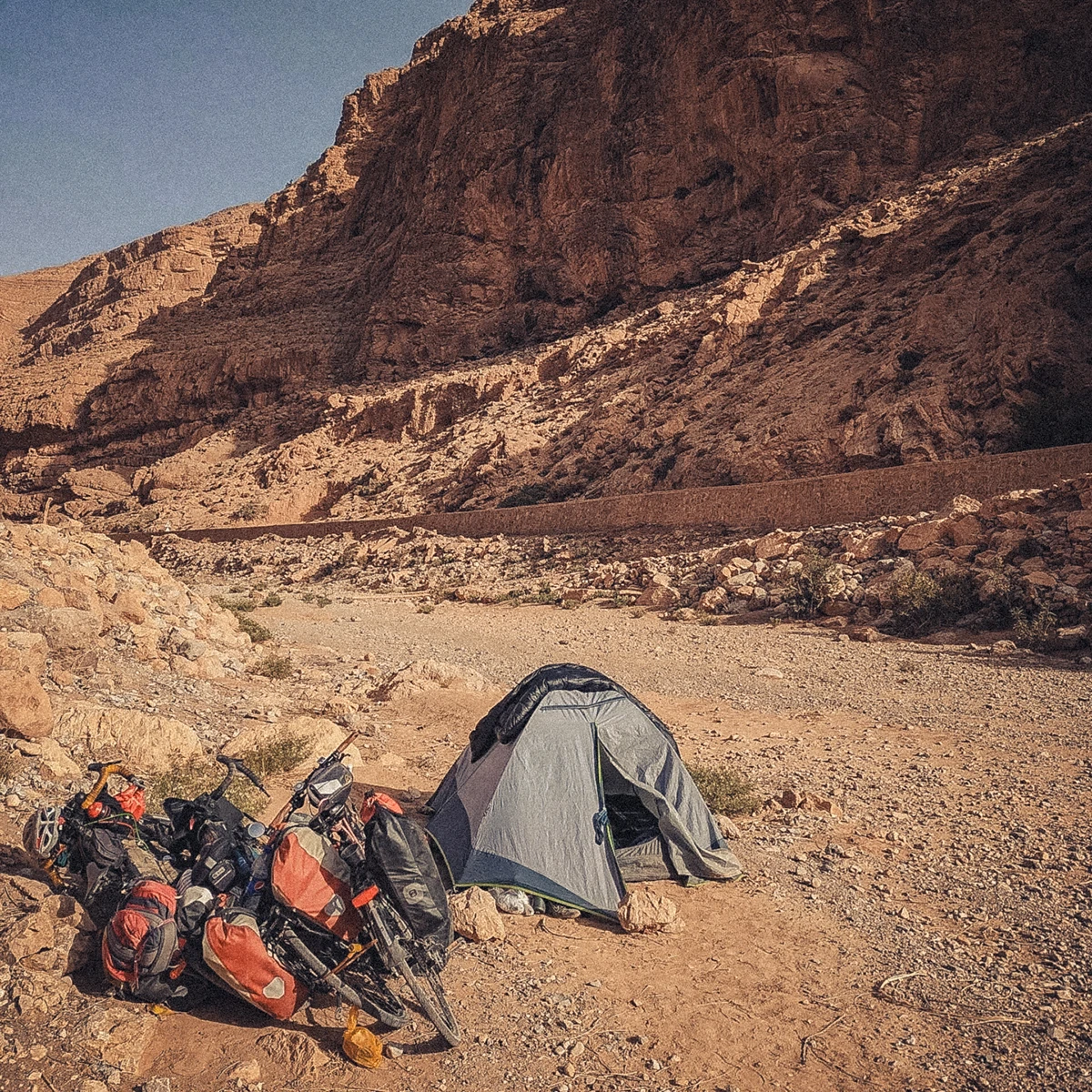
One time, in Menton, France, the night caught me in the city center, so I just laid my sleeping bag out in front of a hotel, between some giant palm trees. But then, in the middle of the night, the sprinklers came on. I woke up in total shock, and while I was trying to figure out what happened, I was completely soaked. A friend and I were in Trieste, Italy, sleeping on a city beach when some guy tried to rob us. I woke up, yelled at him, and he ran off. Then, we heard some Serbian folk music in the distance, so we followed the sound and found a crew of Serbs— partying. Somehow, they managed to find a house where we slept that night.
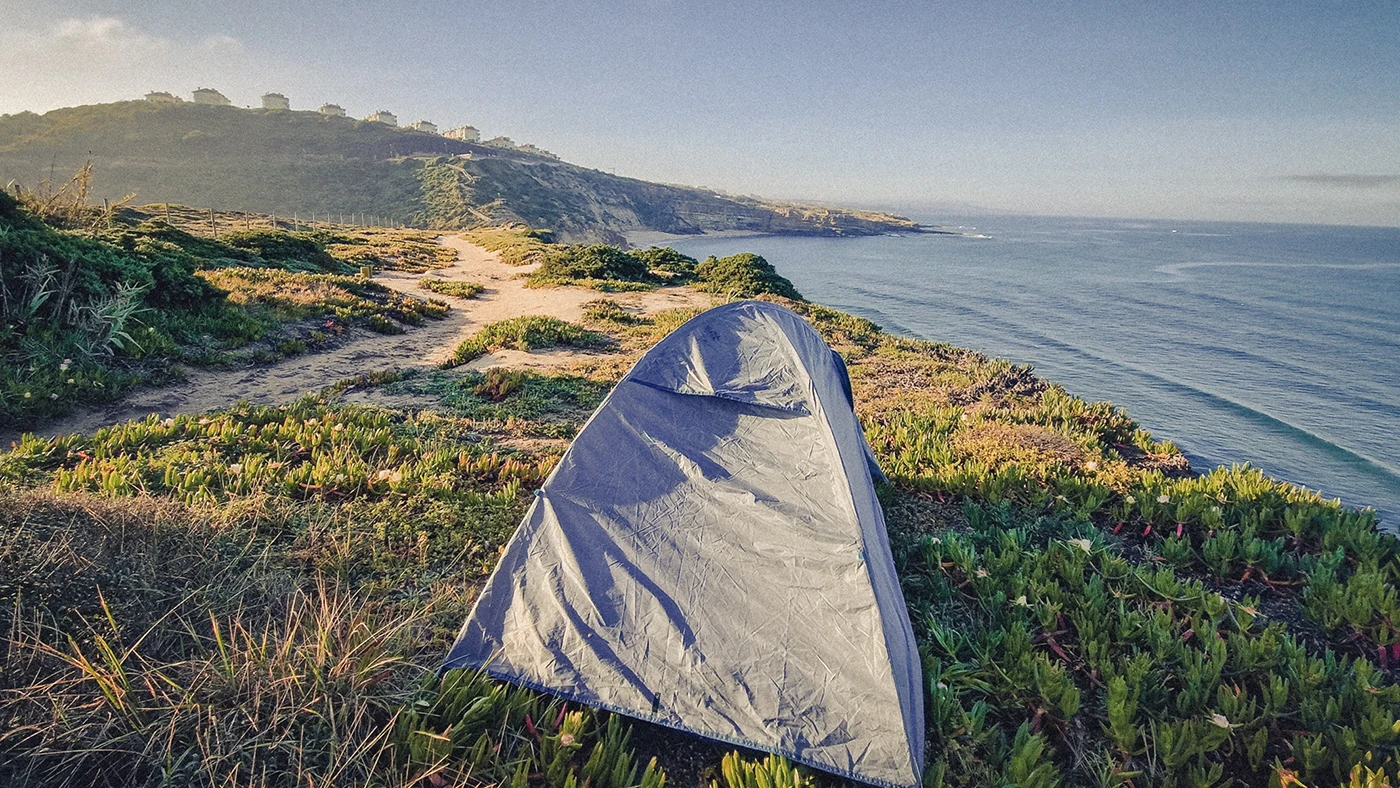
One time, during the night, the Atlantic Ocean came in, the sea level rose, and it nearly swept me away while I was sleeping on the shore. And then, there was the time when I was aiming for a “romantic” beach campout on the sand, and a sandstorm hit in the morning, covering half my tent and my bike outside it.
I’ve camped in all kinds of places, just going with the vibe, but you never really know what the end of the day will bring when you set up camp, so it’s not as easy as it seems.
What’s the quality of the gear you use, considering your adventures last for months?
You basically have to carry your whole house with you, right?
My adventures might seem hardcore, but so is my gear—just in the opposite way.
Terrifyingly bad. In my early years, I mostly borrowed gear from friends and had to make my dream happen with whatever I could get. The bike I rode to Barcelona cost me 150 euros, and the frame was two sizes too small for me. The tent I used in the polar regions cost 15 euros and was definitely not waterproof, so I had to carry an extra plastic sheet to protect myself from the rain.
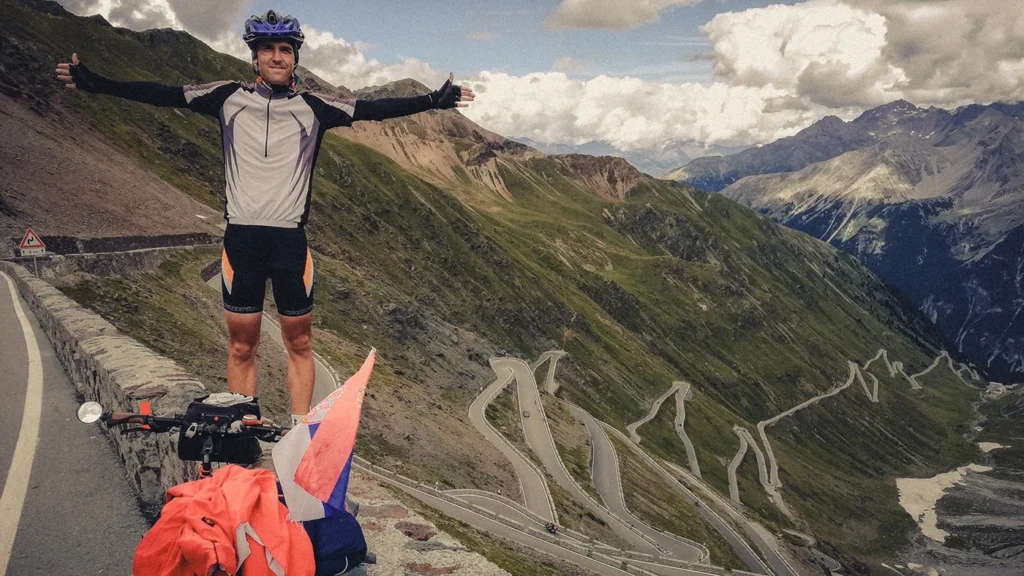
From Serbia to Nordkapp, through the Alps, I used the same tires I had ridden on from Serbia to Portugal. At that time, my entire setup was worth less than 600 euros, including the bike. As time passed, my gear got better—I got some help from sponsors, but mostly from friends who had my back. I try to keep my load under 25 kilos, whether I’m on a bike or hiking on foot.
What’s the one thing you can’t leave without when heading out on an adventure?
Wool socks, glasses, a charger, and a small knife.
How much does your adventurous way of traveling actually cost?
Honestly? It costs as much as you’re willing to sacrifice for your goal. I travel on a low budget, but there’s also the kindness of the people I meet along the way— some offer me a place to stay, some share their food with me, and that’s all money saved.
On my first adventure to Barcelona, I had a total budget of less than 300 euros. In just 25 days, I lost almost 13 kilos. In 2018, after cycling 5,000 km to Lisbon, I ran out of money to get back home. My friend and I found a Facebook group of Balkan truckers. A guy working as a dispatcher hooked me up with a free ride in an empty truck. It took me seven days to get back to Serbia—for free!
The older I get, the softer I become, which is funny because I thought it’d be the opposite.
Experience has taught me what I can and can’t put myself through, so now I start my trips with a little more money in my pocket.
What if something goes wrong?
And what if it doesn’t? I see adventure as a living thing—it needs to be “fed.” On every adventure, you’re bound to run into things like equipment breaking down, minor injuries, maybe some uncomfortable encounters with wild animals, and sometimes even bad experiences with people.
On those adventures, you spend hours on risky roads, exposed to dangerous overtakes by cars and trucks. I still get chills every time a truck or motorcycle blasts past me at full speed, barely leaving any space. But all of that is part of the package you sign up for the moment you decide to go. I’ve been hit by a car while cycling—in my own hometown, during a training ride.
So really, there are no rules. I’m not saying you should go looking for trouble, but sometimes the trouble we fear the most finds us in the so-called “safety zones” of our everyday lives. For your peace of mind, I believe it’s really important to face whatever is bothering you. Regret is often the most costly thing you can carry.
What’s the key?
The key? It’s all about that burning need for change I felt the moment I set off on my first adventure. That hunger to dive into the unknown, to see what’s out there—that’s what pushed me then, and it’s what keeps me going now. And now that I’ve found what truly makes me happy, the key is simple: chasing more of those moments, as often as I can.

Have you ever had a “spine-chilling” moment that gave you goosebumps?
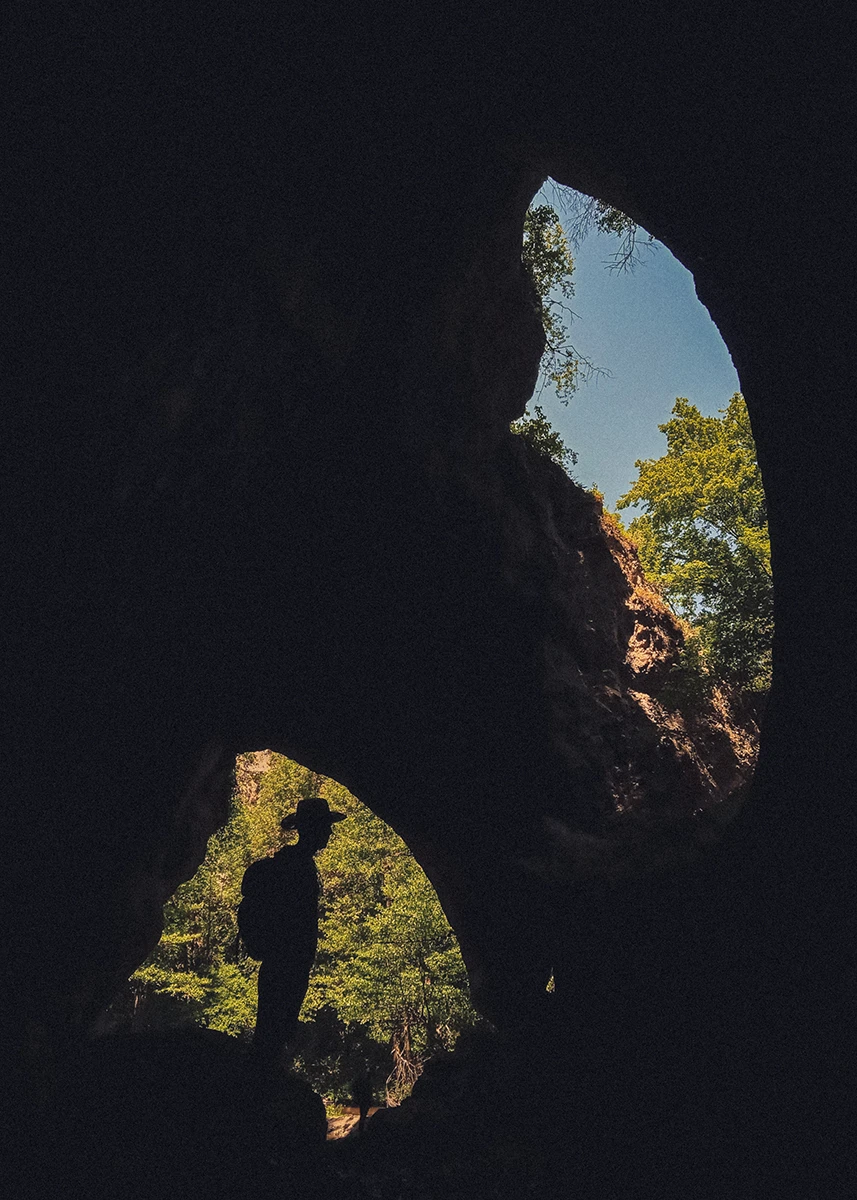
Oh man, way too many. One time in Slovenia, I got caught in a brutal storm deep in the woods. I took cover under a pine tree with my bike, and then—BOOM— lightning struck a tree barely ten meters away, splitting it in half. I swear my soul left my body for a second. That was insane.
Then there was France, after the terrorist attacks. The whole country was on edge. I went to a hospital, hoping to sleep inside or at least near the entrance, but the doctors and security quickly kicked me out and sent me to the train station. Just as I was dozing off, fully exhausted, armed guards woke me up. “Station’s closed, last train’s gone, you gotta move.” So I wandered into the night… straight into the worst part of town. Even now, I get chills thinking about the guys who silently
followed me through those dimly lit streets, dead silent. I finally found a hotel, and the security guard—bless him—let me sleep next to a stack of cardboard recycling bins under CCTV cameras.
Only then did those guys finally back off. Then there was that time I found two bushes in the dark, set up my sleeping bag, and knocked out. Woke up in the morning, stretched, and realized I had parked my bike right next to a high-voltage fence. One bad roll in my sleep and—game over.
Or the time I wanted to explore Venice but had no idea where to leave my bike, so I just rode it through the city—completely unaware that it was illegal and came with a hefty fine. Luckily, a local woman noticed how lost and panicked I was. She walked me out of the city before the cops could slap me with a fine.
And let’s not forget camping in the Alps. Middle of the night, deep in the
mountains, and suddenly… we’re surrounded. Couldn’t see them, but we coul hear them—wild animals circling our tent. Longest night of my life. Let’s just say… I’ve earned a few gray hairs along the way.

was there ever a time you came close to quitting?
Every adventure is a mental battlefield. No joke, I go through an emotional roller-coaster on a daily basis. When you’re out there, way too many things mess
with you, and most of them are way out of your control. Your gear breaks down, the weather goes full apocalypse mode, the wind tries to slap you off the road, sketchy road conditions, sleep deprivation, and then you randomly cross paths with people you’re not sure you wanna be crossing paths with. All of that drains you—physically, mentally, and emotionally. Your planned mileage for the day goes out the window, and suddenly, your brain starts whispering, “Dude, what are we even
doing here?” But here’s the thing—those mental breakdowns? They pass. You just gotta grab onto something—a thought, a goal, a reason—and use it to pull yourself through. And honestly? Not once, not ever, have I seriously thought about quitting and going home. Never. Every single adventure I’ve been on felt like an opportunity I had waited too long for, and I wasn’t about to throw it away just because I was having a rough day. One thing that helps me a lot is knowing I have
rock-solid support from my family—especially my mom, my sister, and my closest friends. Talking to them always resets my head. And when nothing seems to be working, I’ll just stop for the day, find a spot to camp, and rest. It’s amazing how a fresh morning can completely change everything.

What were the most incredible and emotional moments you’ve experienced?
There were days when I felt pure joy just because—just because I was there, just because I was riding my bike or walking. No big reason, no big event. Just existing in the moment was enough. But if we’re talking real, emotional release moments—arriving at Nordkapp after biking all the way from Serbia, across the Alps, was exactly how I’d dreamed it would be. That was unreal.
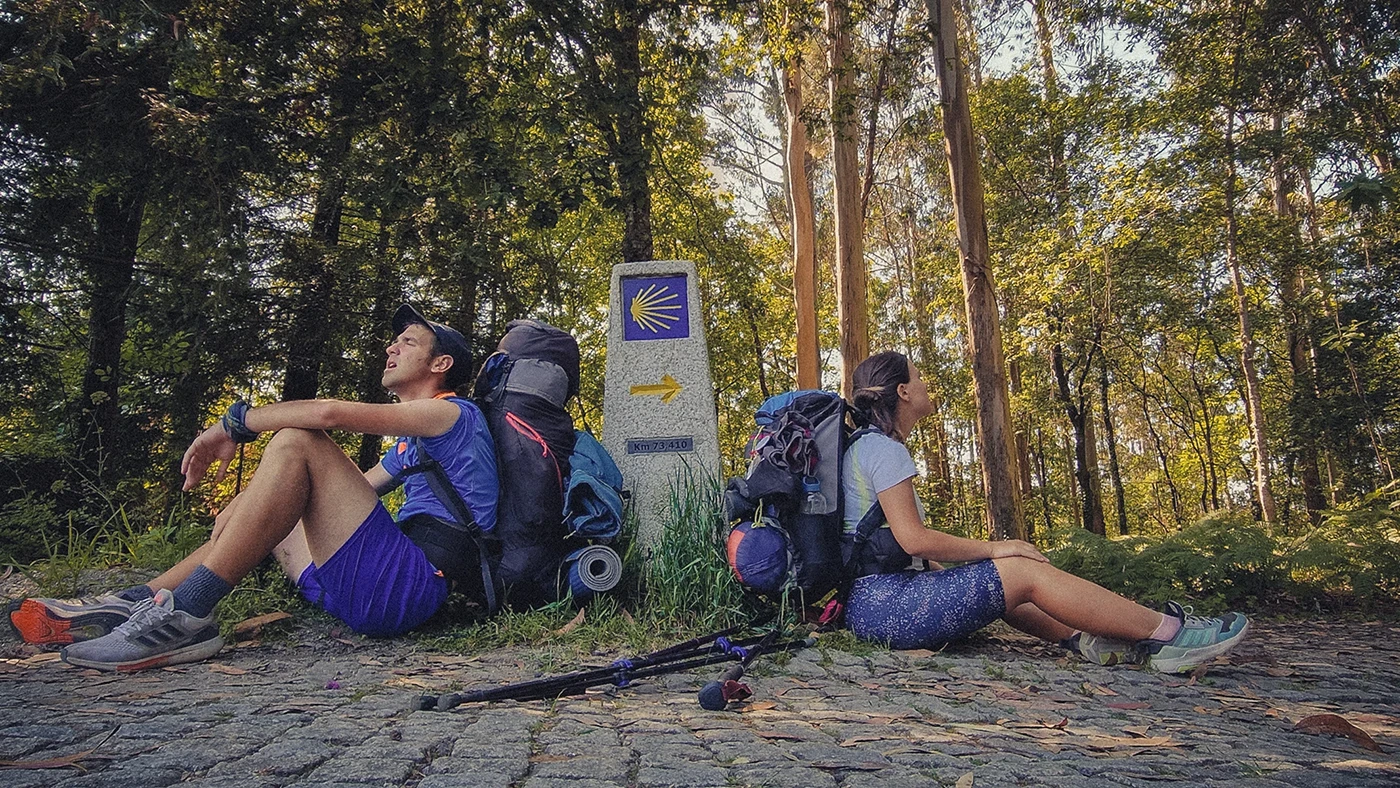
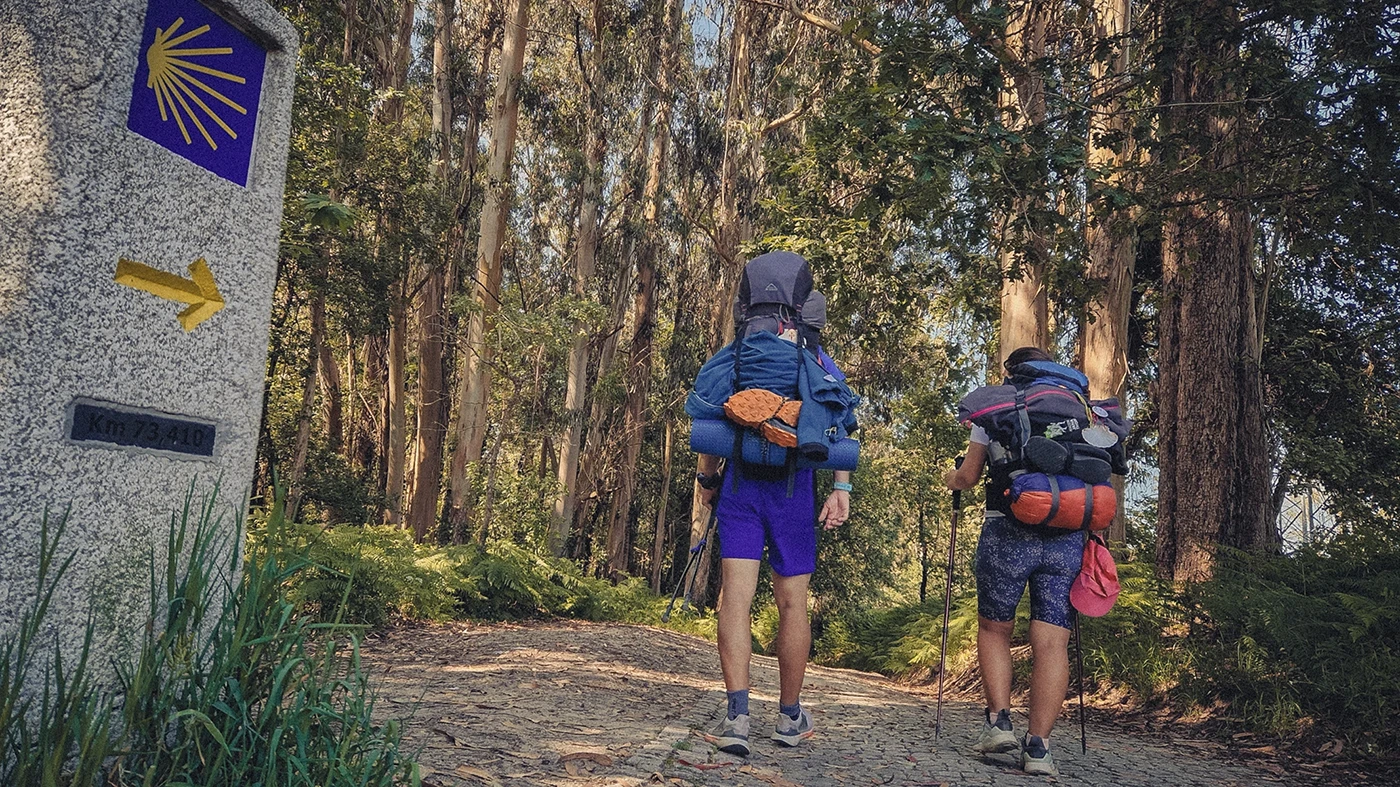
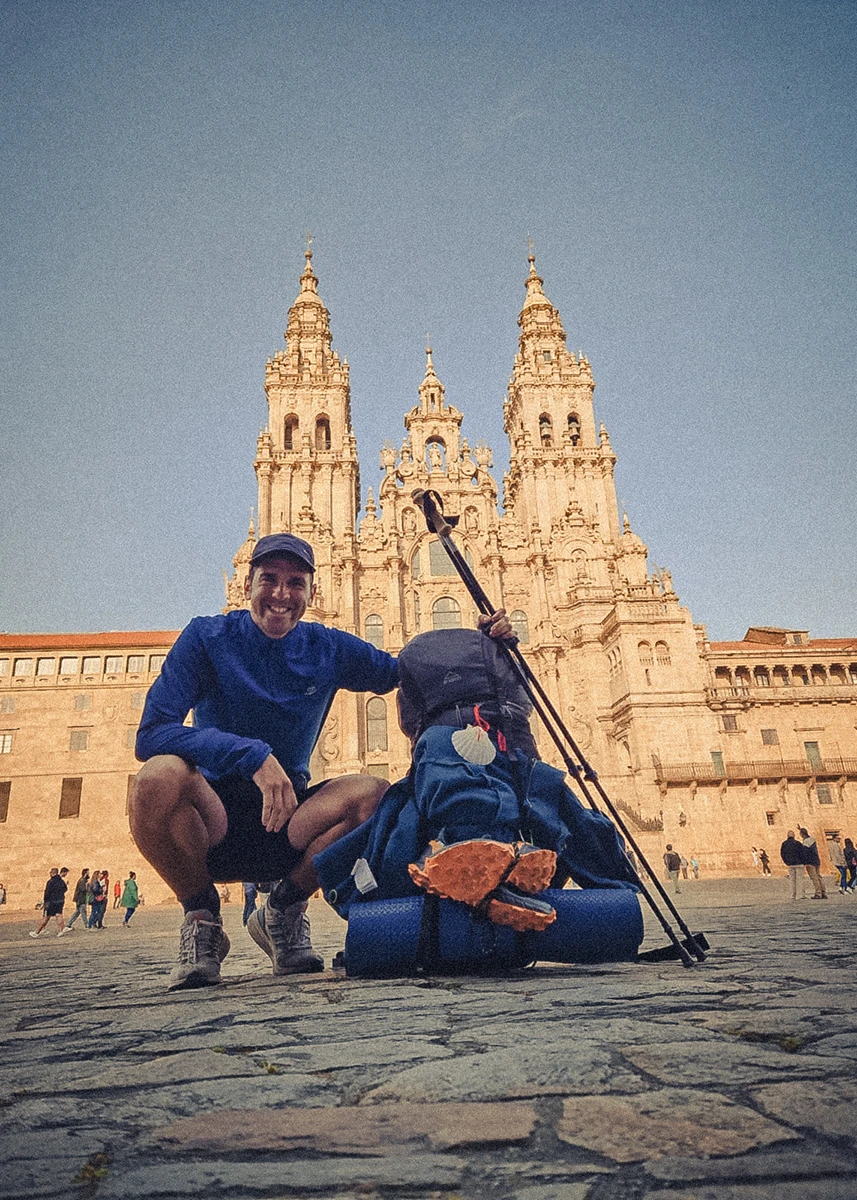
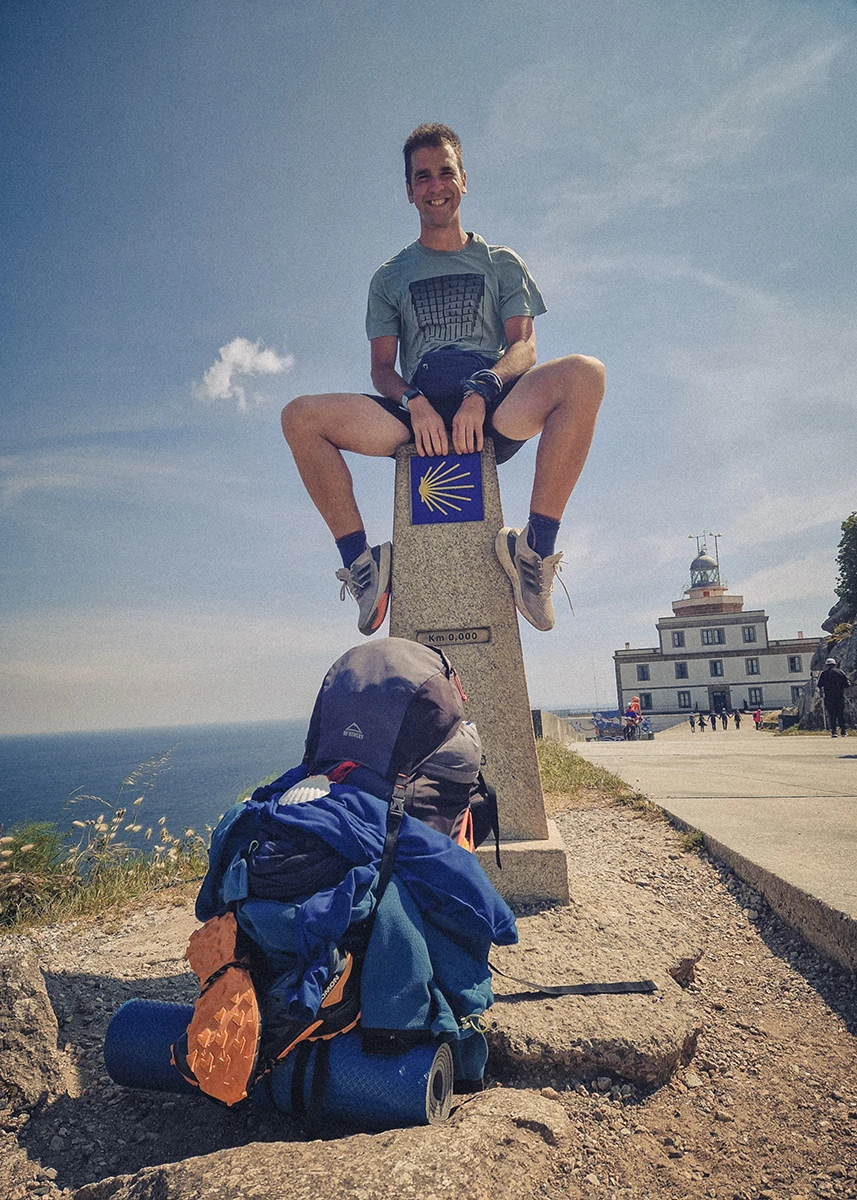
Then there was the time I finished my ride to Lisbon. That journey was dedicated to raising funds for a little girl’s surgery, and when I got a message from her mom saying, “We raised the money, the surgery is scheduled”—and that she was about to see for the first time in her life—man… I had to sit down for that one. Nothing prepares you for something like that. Another heavy one was in 2021, when I walked 1,020 kilometers, retracing the exact refugee route I had taken 26 years before to reach Serbia. Walking that path again, but this time by choice, on my own terms, was beyond powerful. And then there was Camino de Santiago with my girlfriend. We reached Finisterre—literally the “end of the world”—and it was just… perfect. The sun was setting, no wind, just endless blue stretching into the Atlantic. A few other pilgrims, us, and the kind of silence that makes you feel everything. I’ve had so many moments that hit deep. Some expected, some out of nowhere.
But man, that’s what adventure is really all about.

The pictures on social media look amazing, but what’s the other side of the coin?
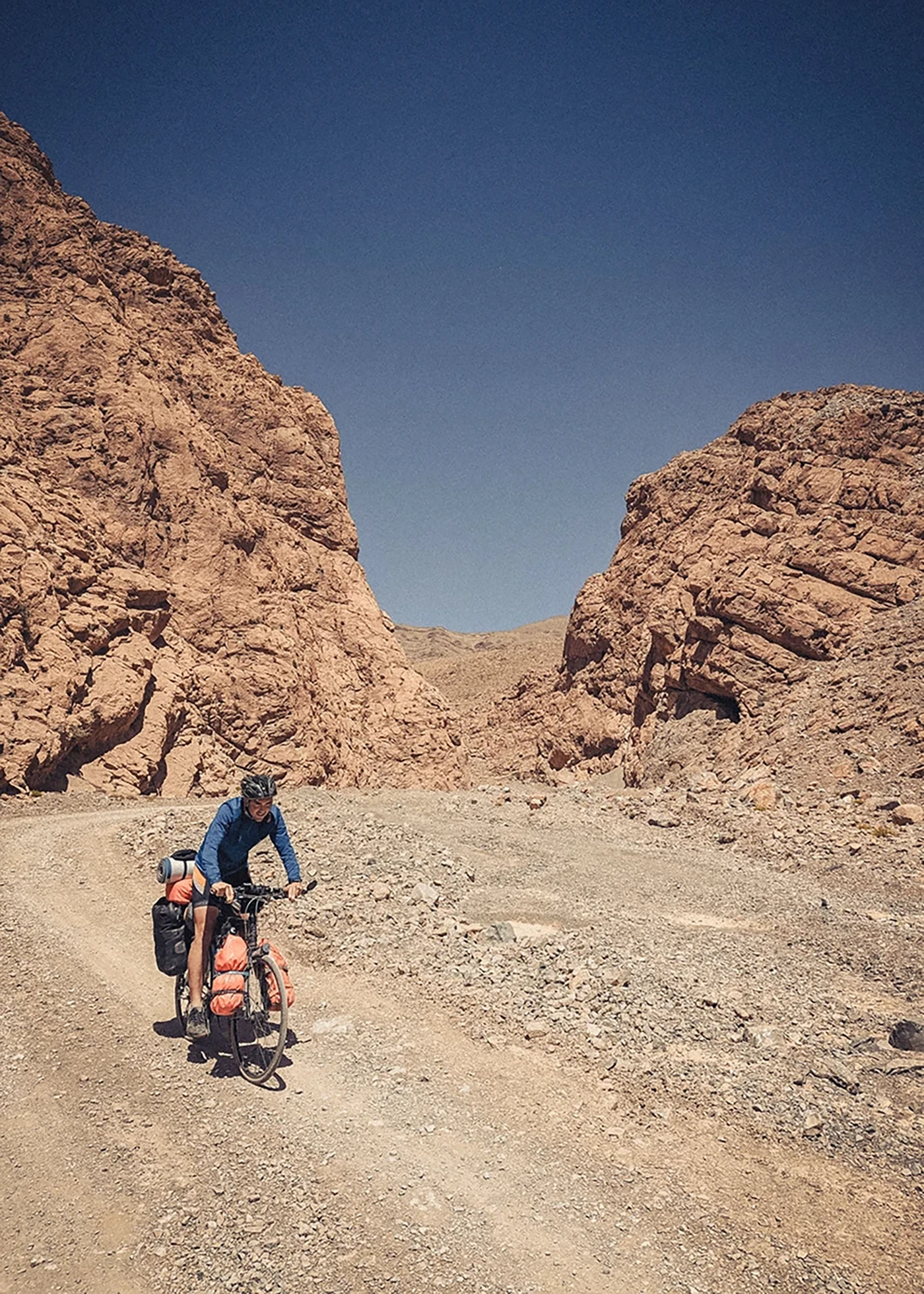
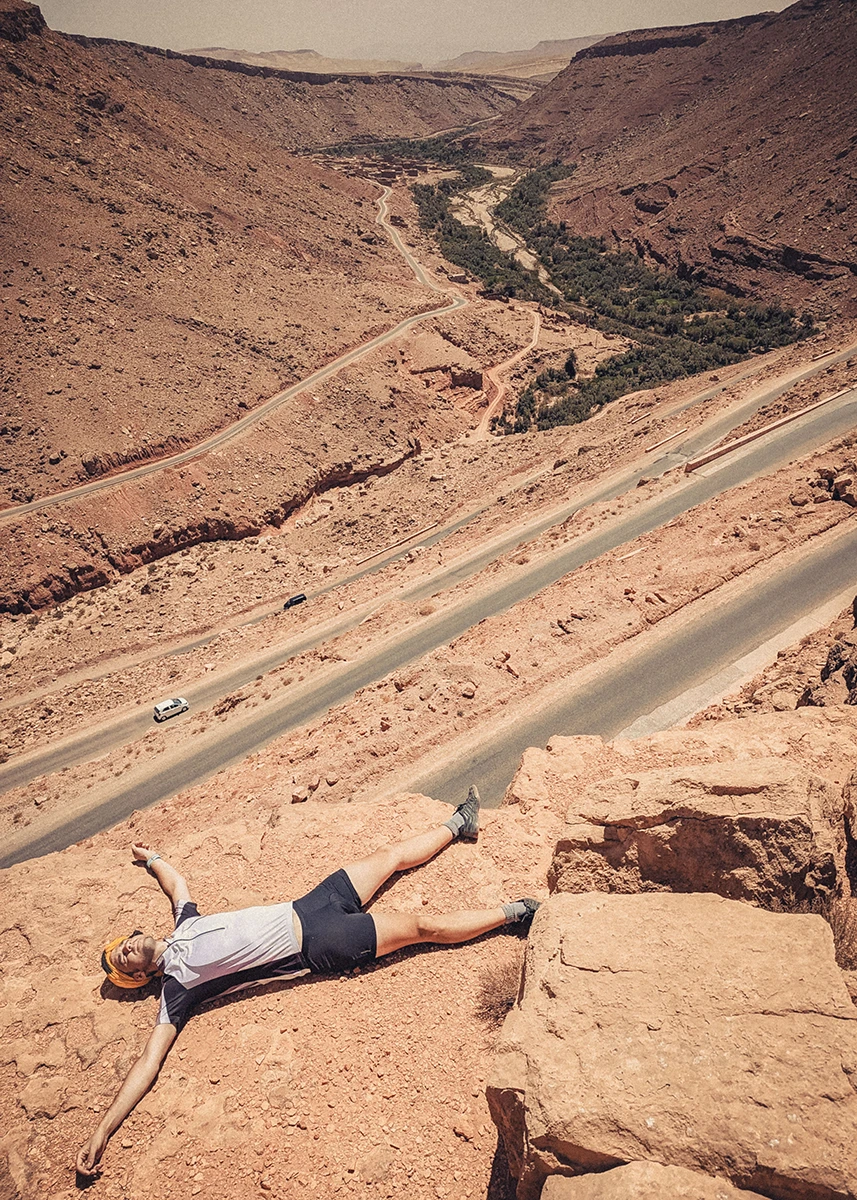
I go into every trip fully aware that I’m probably sacrificing my health. It’s not even a question of if—just when and how bad. It’s part of the deal. I straight-up collapsed from dehydration when I rolled into Cannes once. I’ve wrecked my kidneys more than once from constantly drinking out of sketchy public fountains.
Riding through polar regions? The cold messed up a nerve in my right hand, and I had to do therapy just to get full function back in my fingers. Because of the ridiculously heavy backpack during long hikes, I seriously messed up my spine, and I still feel the consequences to this day. Buthonestly? The hardest part isn’tany of that. It’s coming home. Those first few weeks after an adventure are brutal. I’ve woken up in my own bed, completely disoriented, like I have no idea where I am. After Nordkapp, I got hit hard with post-travel depression. I recently met a guy who’s been biking around the world for 20 years. He tried going back to a “normal life” a few times, and every single attempt ended in a suicide attempt. That shook me.
So yeah, the pictures look epic. And don’t get me wrong—I am genuinely happy when I’m out there, living it. But coming back? That’s the real battle.
What goes through your mind during those long days of riding or hiking? What kind of battles happen in your head? What’s it like when it’s just you, your bike, and your backpack?
Mood swings on these adventures are wild. When you’ve got too much time to think—that’s when the real battles start. When your mind is thinking about everything, it feels like you’re not focused on anything at all. In those moments, my bike or backpack becomes my best friend—I talk to them, complain to them, sometimes even argue with them. There’s an endless stream of questions and answers in my head: Where will I camp? What will I eat? Do I have enough batteries? When should I take a break? What can I see in the next town? Where will I leave my stuff? Do I have enough money? The list goes on. It’s like a never-ending conversation with myself. In a way, it helps me keep going.
Where’s the line between fear and adventure?
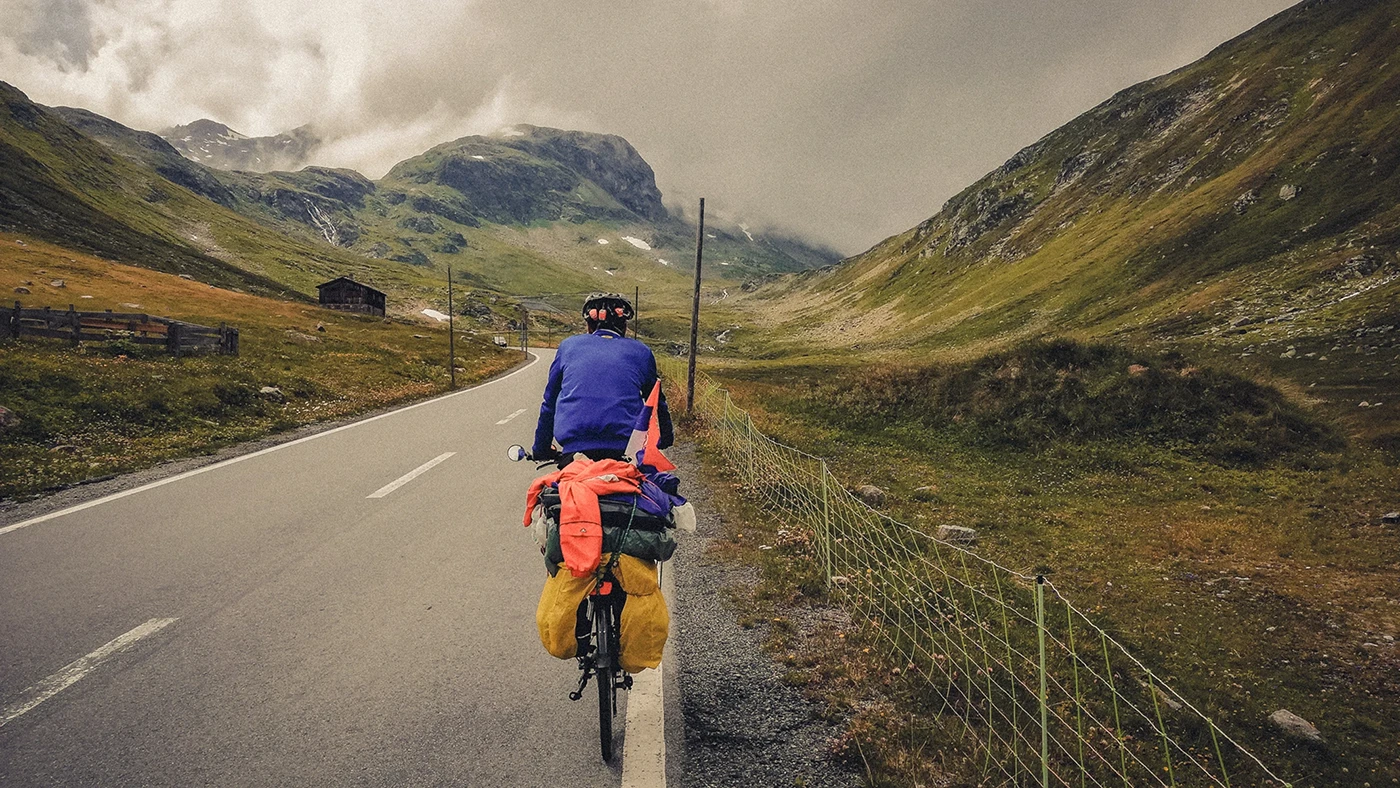
Adventure has helped me find my limits—and then push past them, over and over again. Fear is always there, and honestly, I think it should be. As long as I feel fear, I know I still respect the journey. That respect helps me stay alert, keep me careful, and keep all my senses sharp. The moment I stop feeling fear? That’s when I’ll start worrying about myself. Fear is that voice, that little hit of adrenaline, that keeps calling me toward the next big challenge. It comes from the unknown—and the unknown is what makes an adventure truly unforgettable.

Have you ever thought, ―Wow, is this really happening to me?
Oh, absolutely—more than once! One time, I was speeding down a steep hill on my bike when I noticed my gear and panniers shaking like crazy on the rack. Somewhere along the way, I lost my security cable from the rack. I was flying through polar, forested terrain, and my brakes couldn’t slow me down enough to stop safely. After a few kilometers, I finally managed to stop, and right there, just a few meters from me, was a green strap—way better than the one I’d lost! It felt surreal, like some kind of dream. I still use that strap to this day.
Or when I was wandering through the Arctic tundra, hadn’t seen a soul for hours, and then out of nowhere, a car pulls up. We start chatting, and guess what? The driver’s from Serbia. I’ve had so many encounters like this—people showing up at exactly the right moment, just when I needed help the most. Some folks would call it coincidence, but… do coincidences even exist?
What’s the most valuable thing you take away from your adventures?
The people.
Nowadays, you can buy a ticket to pretty much anywhere in the world. But the people you meet along the way—that’s something priceless. You can’t buy those connections, and that’s what makes them so special. I’ve stayed in touch with most of the people I’ve met, and those encounters have been overwhelmingly positive. These people have been my teachers in many ways. Listening to their stories, I’ve learned so much about life. Some of them have become close friends—I’ve
attended their celebrations, and we’ve stayed connected over the years. It’s incredible how, just a few hours ago, we were complete strangers, and now I’m sleeping in their home, sharing a meal at their table, laughing, and exchanging stories. These people have added the most beautiful colors to my adventures.

“The people I meet along the way
are the best part of every trip.”
photo: Dragana Radosavljevic
They say a true traveler never returns the same. How have your adventures changed you? What have they given you? And what would you say to Ljubiša who’s about to set out on his very first adventure?
Adventures have allowed me to live my dream—to travel in a way that makes me happy, to explore different cultures, to write about those experiences, and to have people read my stories. If I could talk to that younger version of me, I’d tell him: You’ve already done the hardest part—making the decision to change something in your life. That’s huge. It’s gonna be stressful at times, but also incredibly freeing, and that’s exactly why you should go. And now that you’ve taken that first step?
Keep following your heart. Don’t worry too much. Everything’s gonna be just fine.
Being on the move – is that the best way to break boundaries and overcome limits? Is it an escape from problems, or a way to understand them better?
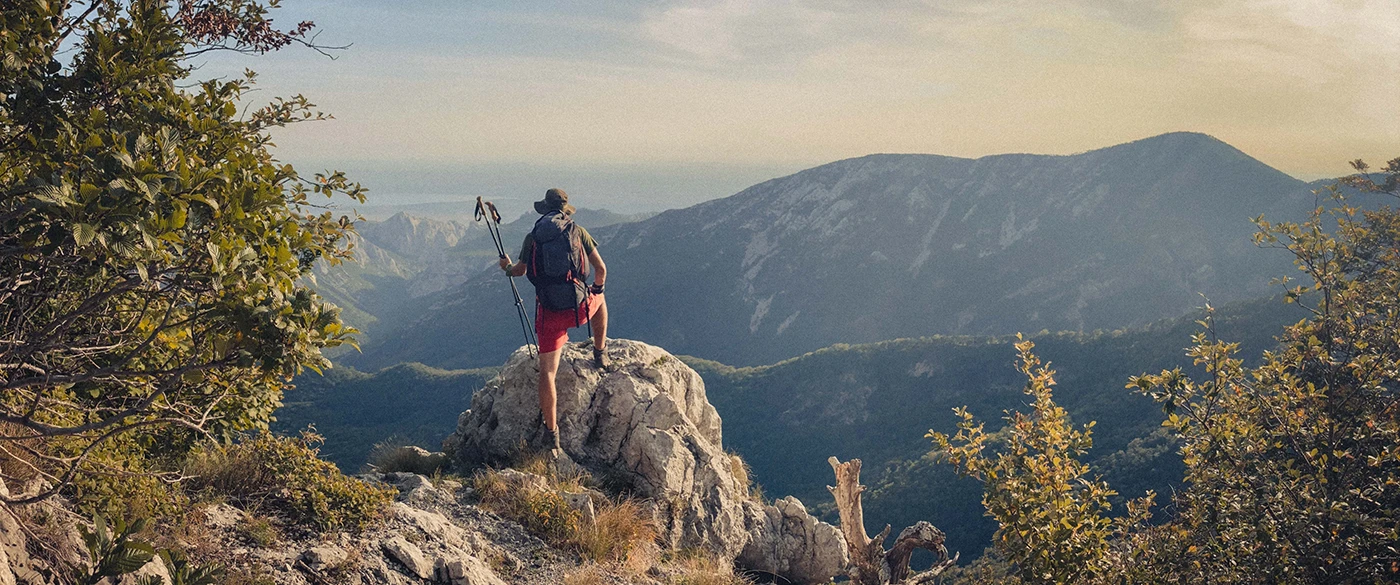
For me, being on the move gives me strength and faith. Movement is that spark that lights up as soon as you decide to change something in your life. My imagination pushed me to go on this adventure, my body backed it up and, with a bit of luck, my belief in what I was doing brought me pure joy. While I was questioning if these adventures were just an escape from reality, I discovered that, for me, adventures are the truest form of reality. They help me face and resolve the challenges I encounter.

What lessons have you learned from your adventures, and what do you now consider truly important?
I’ve learned that everything we consider meaningful and significant doesn’t come overnight, and no one can simply give it to us. The joy that comes from material things is usually short-lived, but the memories and emotions I’ve experienced during my adventures stay. It’s taught me to fight for what truly matters to me. I’ve also learned the importance of gratitude. Nothing we have should ever be taken for granted—it’s all temporary. It’s essential to recognize this on time and cherish the good things in our lives. And if something difficult comes our way, we need to stay persistent and work through it, knowing that tough times eventually pass.
Finally, I’ve come to truly believe in the old saying, as cliché as it may sound: it’s important to follow your dreams, because they really do come true.